southwest growth corridor for commercial and industrial campuses

General Construction in Manvel, TX

General Contractors of League City manages commercial and industrial work in Manvel with a project approach built around site readiness, trade sequencing, and owner-side turnover planning. In the southwest growth corridor for commercial and industrial campuses, that means shaping the schedule around master-planned growth, available land, and corridor access improvements while still accounting for greenfield site controls, multi-pad development sequencing, and new utility extension work.

Local demand

How commercial and industrial work is taking shape in Manvel.

Manvel is seeing sustained business park, commercial, and owner-user development that benefits from strong greenfield planning and phased infrastructure delivery.

General Contractors of League City supports Manvel with a general contractor workflow that keeps planning, field release, procurement, and turnover linked to the local market instead of forcing a generic schedule onto a specific site context.

Manvel is seeing sustained business park, commercial, and owner-user development that benefits from strong greenfield planning and phased infrastructure delivery. General Contractors of League City supports Manvel with a commercial and industrial delivery model that keeps preconstruction, field execution, and turnover in one coordinated workflow. That is valuable in the southwest growth corridor for commercial and industrial campuses because projects here often need schedule control across site release, shared access, and owner-facing turnover expectations.

Owners building in Manvel typically need a contractor who understands how master-planned growth, available land, and corridor access improvements influence the way projects should be packaged. We plan around those drivers early so the scope matches the local market instead of forcing a generic schedule onto a very specific site and business context.

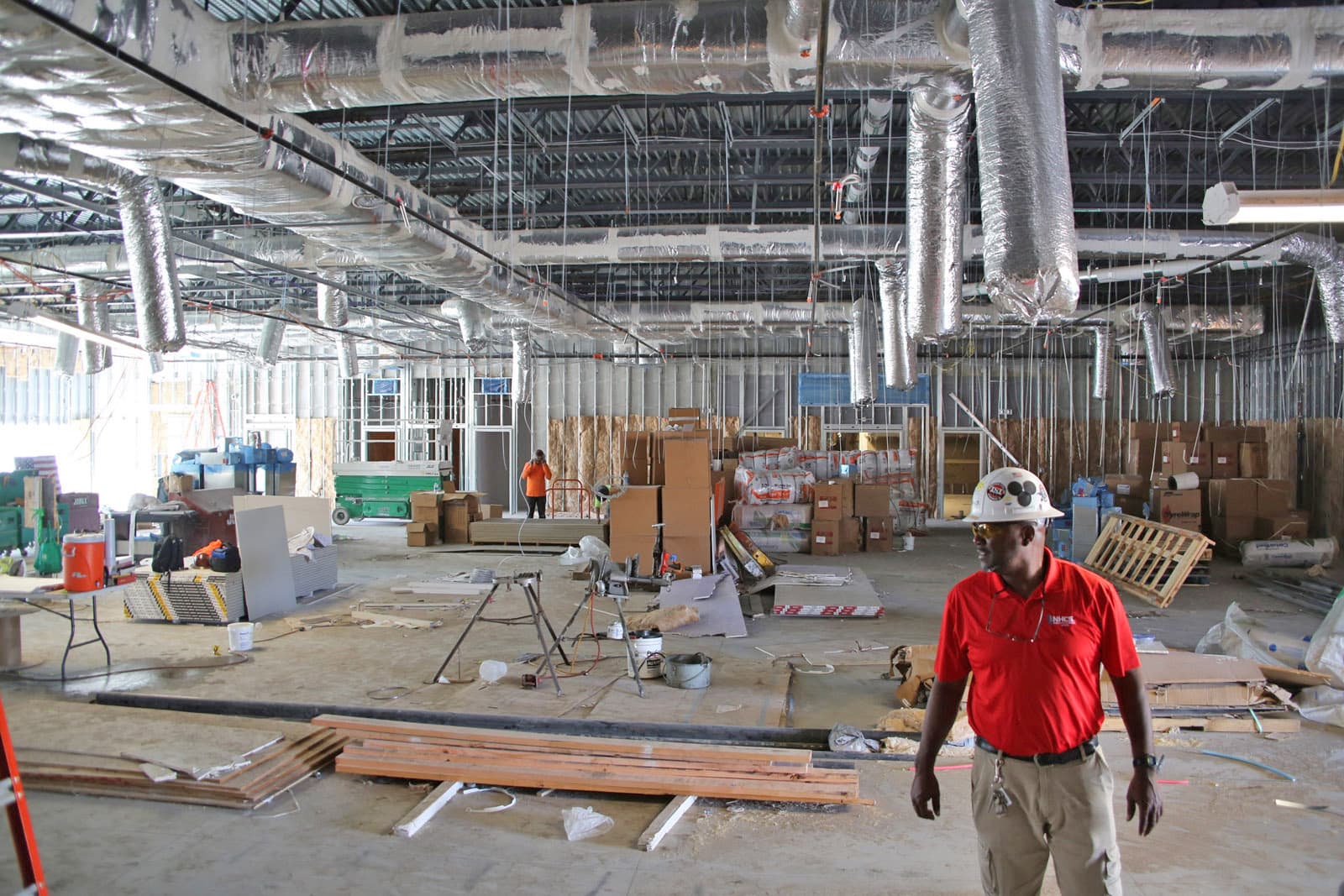
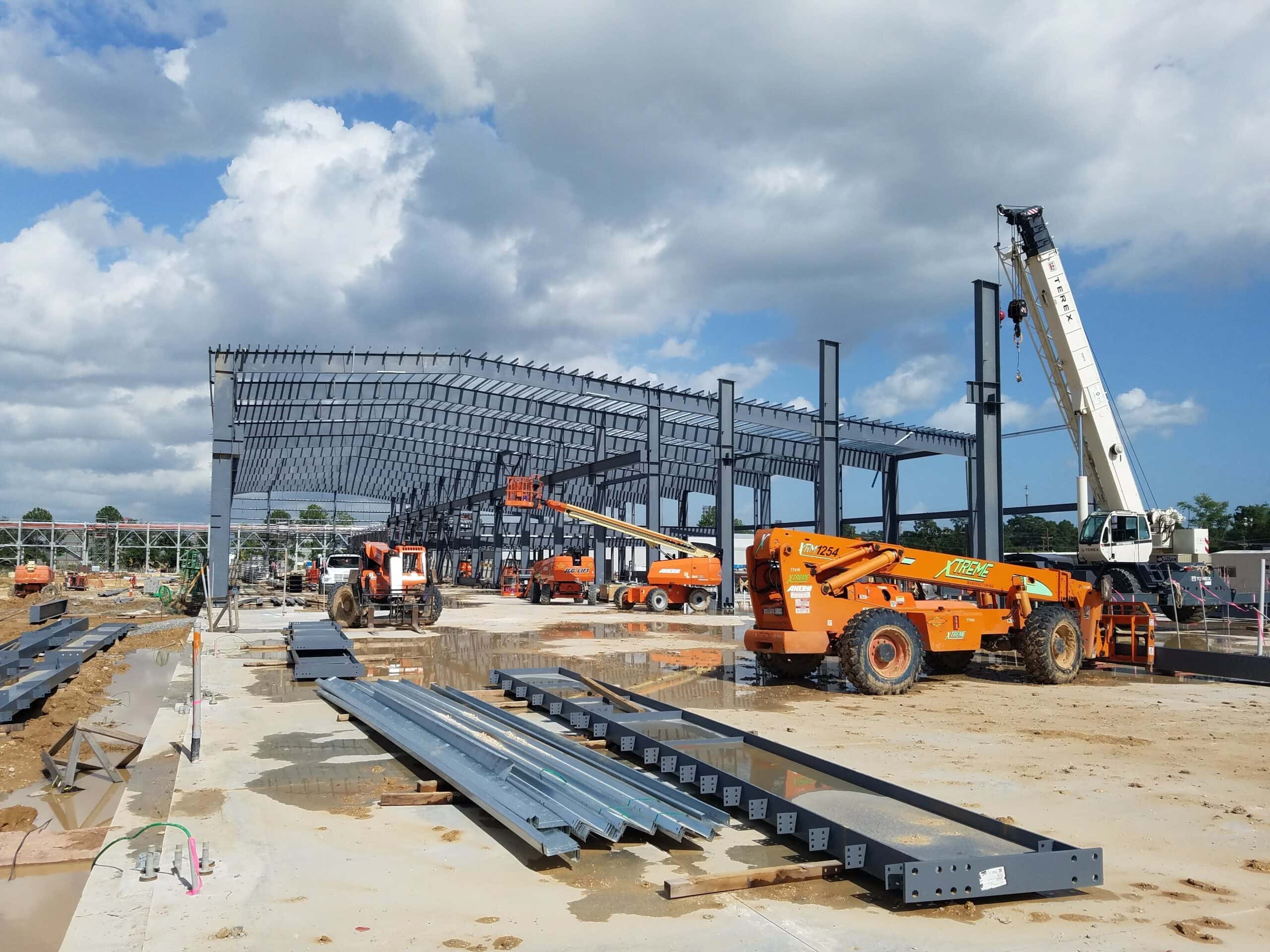
The field plan also has to respect greenfield site controls, multi-pad development sequencing, and new utility extension work. Those practical realities affect how crews move, when utilities can be released, and how the owner can step into operations. We keep them in view from budgeting through closeout so the project is coordinated for actual use, not just theoretical substantial completion.
Facility demand

What owners are typically building in this market.

business park developments

business park developments are a good fit for Manvel because they align with how local ownership and tenant demand are currently moving. We help owners package these projects around site release, shell coordination, and future turnover needs.

commercial shells

commercial shells in this market benefit from stronger planning around circulation, utilities, and occupancy expectations. The value is in tying the schedule to real operational use rather than simply pushing the field as fast as possible.

owner-user industrial sites

owner-user industrial sites often require a delivery path that balances cost discipline with long-term flexibility. We coordinate the work so ownership can build for current demand while preserving clean options for future expansion or re-tenanting.

Scheduling notes

Conditions that change how the project should be sequenced.

  • Projects in Manvel need to account for greenfield site controls. We work that into the preconstruction and field plan early so crews, inspections, and turnover packages stay aligned to what the site can actually support.
  • Projects in Manvel need to account for multi-pad development sequencing. We work that into the preconstruction and field plan early so crews, inspections, and turnover packages stay aligned to what the site can actually support.
  • Projects in Manvel need to account for new utility extension work. We work that into the preconstruction and field plan early so crews, inspections, and turnover packages stay aligned to what the site can actually support.

Featured services

Commercial and industrial scopes commonly delivered in Manvel.

FAQ

Questions owners ask about building in Manvel.

What kinds of projects do you support in Manvel?

General Contractors of League City supports commercial and industrial projects in Manvel, including shells, interiors, warehouse and flex buildings, office programs, retail centers, site packages, and phased owner-user expansions. The exact mix depends on the local market, but the delivery model stays consistent: disciplined planning, controlled field sequencing, and a turnover path that works for operators, tenants, and ownership teams.

Why does local market knowledge matter in Manvel?

Every market has its own mix of access constraints, utility realities, and commercial expectations. In Manvel, those issues are shaped by greenfield site controls, multi-pad development sequencing, and new utility extension work. Local knowledge matters because those conditions affect what can be released first, how long site packages take, and how turnover should be staged for the owner.

Can you phase work around active operations in this area?

Yes. Many projects around Manvel need phased construction because the owner is expanding in place, re-tenanting an occupied asset, or opening in stages. We structure the schedule around access, safety controls, shutdown windows, and release areas so the project can move without unnecessary disruption to ongoing operations.

How do nearby markets affect a project in Manvel?

Manvel is tied to nearby markets such as Pearland, Alvin, Rosharon, and Missouri City. That broader network affects labor pull, supplier routing, tenant demand, and the type of building programs that make sense locally. We plan with those regional connections in mind so the project reflects the real trade area and operating footprint.

What should an owner prepare before requesting a review for Manvel?

The most useful starting points are the site address, target use, current project stage, desired opening or turnover date, and any known constraints around access, utilities, phasing, or neighboring operations. With that information, we can map the next preconstruction step and identify which packages should be defined first.