Local demand
How commercial and industrial work is taking shape in Galveston.
Galveston projects often combine institutional complexity with hospitality, medical, and public-facing commercial work that must perform in a coastal environment.
General Contractors of League City supports Galveston with a general contractor workflow that keeps planning, field release, procurement, and turnover linked to the local market instead of forcing a generic schedule onto a specific site context.
Galveston projects often combine institutional complexity with hospitality, medical, and public-facing commercial work that must perform in a coastal environment. General Contractors of League City supports Galveston with a commercial and industrial delivery model that keeps preconstruction, field execution, and turnover in one coordinated workflow. That is valuable in the island healthcare, institutional, and hospitality market because projects here often need schedule control across site release, shared access, and owner-facing turnover expectations that generic contractors from farther inland cannot easily anticipate. The Bay Area Houston corridor has its own permitting rhythms, drainage requirements shaped by Hurricane Harvey flood history, and soil conditions tied to Beaumont clay that can shift 4 to 6 inches with moisture cycling.
Owners building in Galveston typically need a contractor who understands how healthcare investment, hospitality reinvestment, and coastal asset upgrades influence the way projects should be packaged. We plan around those drivers early so the scope matches the local market instead of forcing a generic schedule onto a very specific site and business context. League City, the hub of our service area, hosts major Boeing, Lockheed Martin, and Aerojet Rocketdyne facilities supporting NASA Johnson Space Center. That aerospace and defense contractor base creates consistent demand for professional office, flex industrial, medical, and owner-user commercial construction across the Bay Area corridor from Clear Lake and Nassau Bay through Webster and Friendswood. Clear Creek ISD, consistently ranked among Texas's top school districts, reinforces the residential demand and household income levels that drive commercial investment in this region.
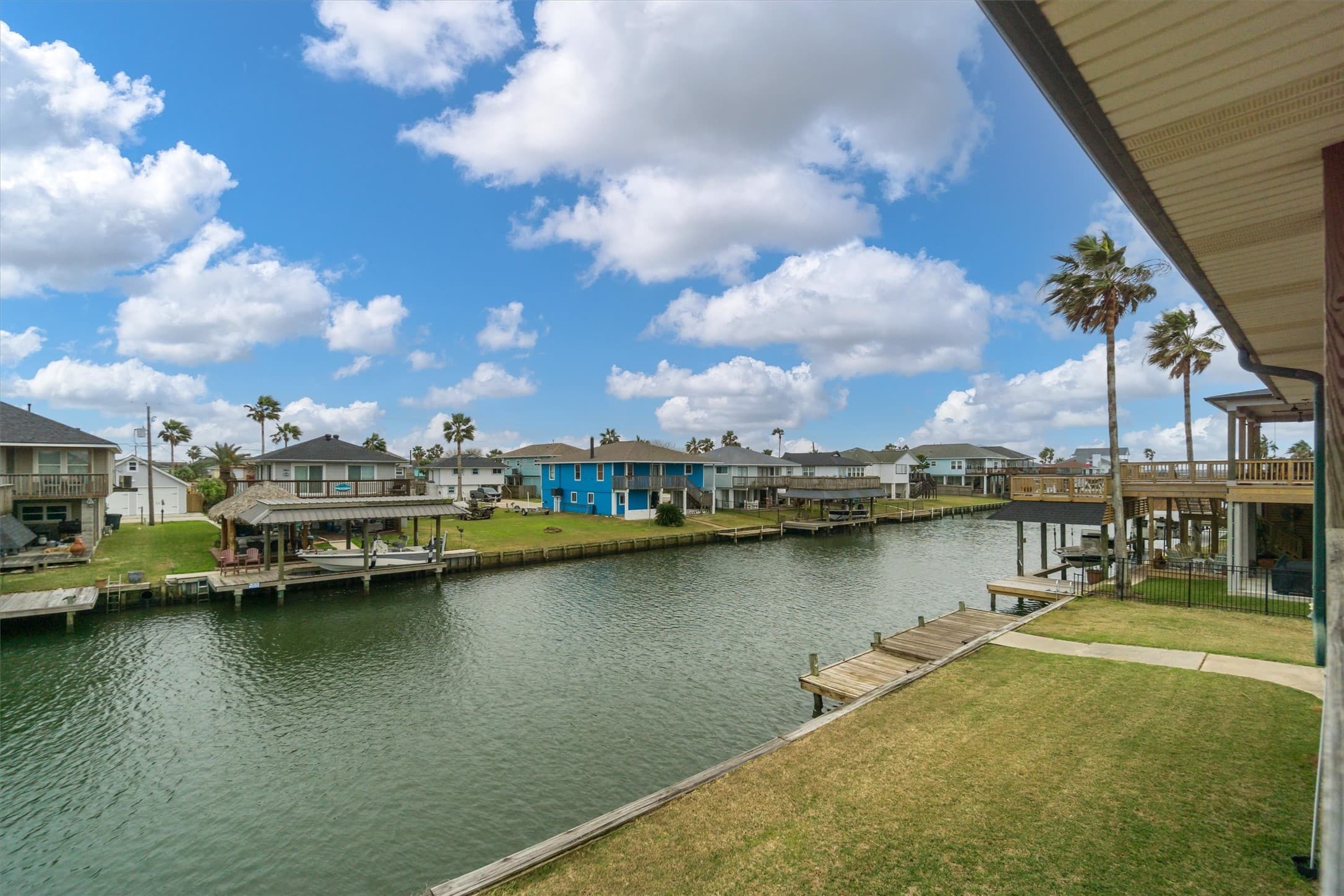
The field plan also has to respect coastal code requirements, storm resilience planning, and tight island logistics. Those practical realities affect how crews move, when utilities can be released, and how the owner can step into operations. League City and the surrounding Gulf Coast submarket experience 100-plus degree summer temperatures, Gulf humidity that extends concrete cure windows, afternoon thunderstorm patterns from June through September, and salt-air marine conditions from Galveston Bay that influence enclosure and fastener specifications. South Shore Harbour Marina, the largest private marina on Galveston Bay, sits within our core service area and anchors a hospitality and service commercial zone where coastal conditions are a daily construction reality. Post-Harvey FEMA flood map revisions have changed how drainage, detention, and building pad elevations are handled across much of Galveston County. We keep those variables in view from budgeting through closeout so the project is coordinated for actual use, not just theoretical substantial completion.
Galveston is connected to a broader Bay Area Houston network that shapes labor supply, supplier routing, trade availability, and the type of commercial programs that pencil in local market conditions. Nearby markets like Hitchcock, Texas City, La Marque, and Santa Fe are part of the same project ecosystem. When we plan for Galveston, we think about that regional context because it affects which trades are available, how inspection sequencing will flow, and what occupancy and tenant demand assumptions are realistic. A project that ignores those regional connections often ends up with procurement and scheduling assumptions that cannot survive contact with the actual Gulf Coast marketplace.